Health screening
Cancer screening based on risk
For people considering screening in light of age, family history or previous findings.
What we help you clarify
- 01
Discuss which screening tests are appropriate for your risk.
- 02
Understand what a test can and cannot show before agreeing to it.
- 03
Arrange a route for further assessment if a result is abnormal.
More testing is not always more useful. Screening can lead to false alarms and unnecessary investigations as well as detecting disease.
Records to have ready
After agreeing the services, we help prepare these for the hospital. You can start the first conversation without uploading a complete file.
- Prior screening reports and relevant imaging
- Personal and family cancer history
- Previous genetic results, if already available
Send original scan files when requested. Reports are translated; the images remain in their original diagnostic format.
How we prepare your recordsCost and time away from home
A screening visit may lead to further appointments. Keep room in the plan for discussing findings rather than assuming all answers arrive in one day.
Items to include in the estimate
- Risk assessment and agreed screening tests
- Follow-up diagnostic tests if needed
- Results explanation and documentation
Questions for the medical team
01Is this screening test recommended for someone with my history?
02What happens after an inconclusive or positive result?
03Would genetic counselling help before considering a genetic test?
Further reading
Cancer screening tests — National Cancer InstituteDepartments to consider

Peking Union Medical College Hospital
International Medical Services · Rheumatology · Endocrinology
View hospital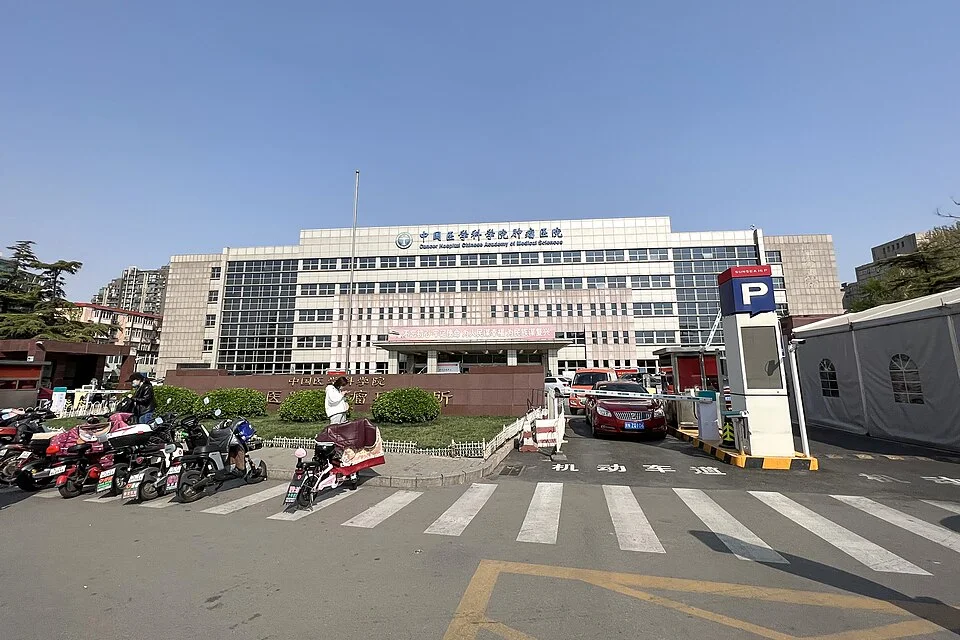
Cancer Hospital, Chinese Academy of Medical Sciences
Medical oncology · Thoracic surgery · Radiation oncology
View hospital
Jiahui International Hospital
International medical services · Multidisciplinary care
View hospitalLet’s talk through your options.
Start in writing. Your first conversation and initial hospital enquiries are free.